FAIR FINANCE SCHOOL

Discover our newly launched Fair Finance Online School—an exciting and interactive online resource created to make climate finance easy to understand! From accessible insights to deep-dive episodes, the Fair Finance Online School is helping simplify climate finance to empower activists, communities, and changemakers like YOU with the knowledge and confidence to champion fair finance and climate justice across Africa.

Download The Fair Financing For Climate Justice: An Activist Guide

FFSA Online School

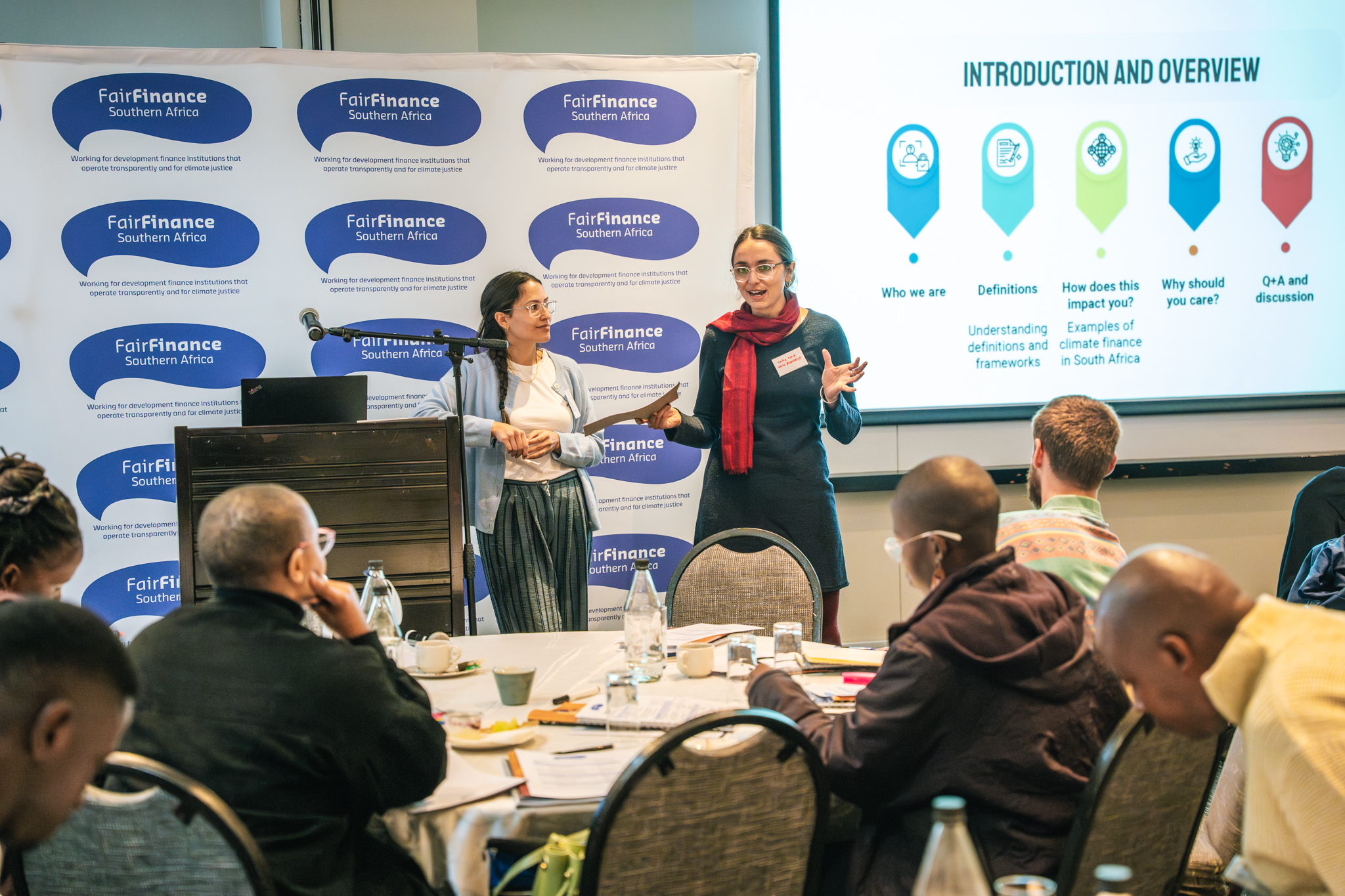
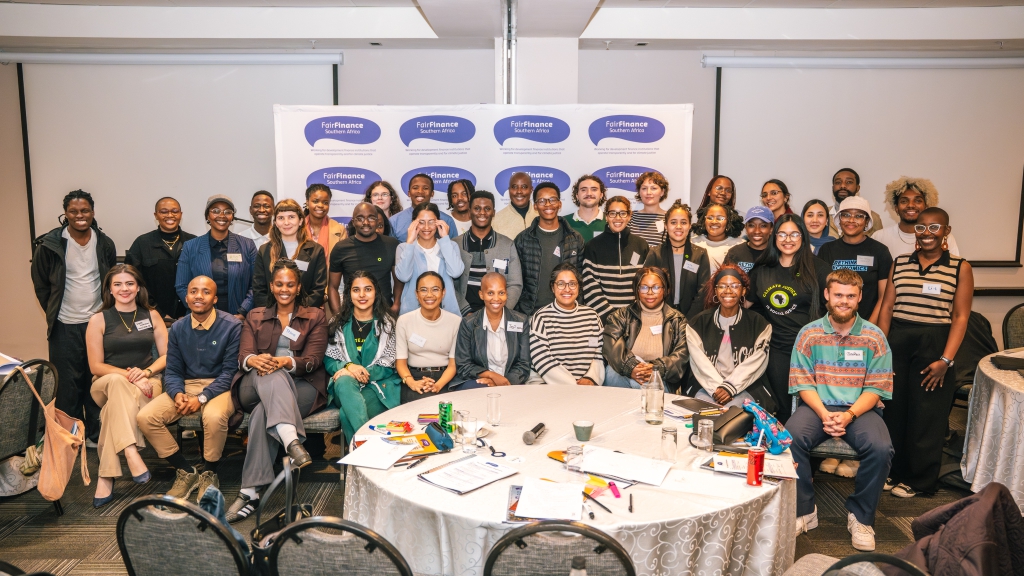
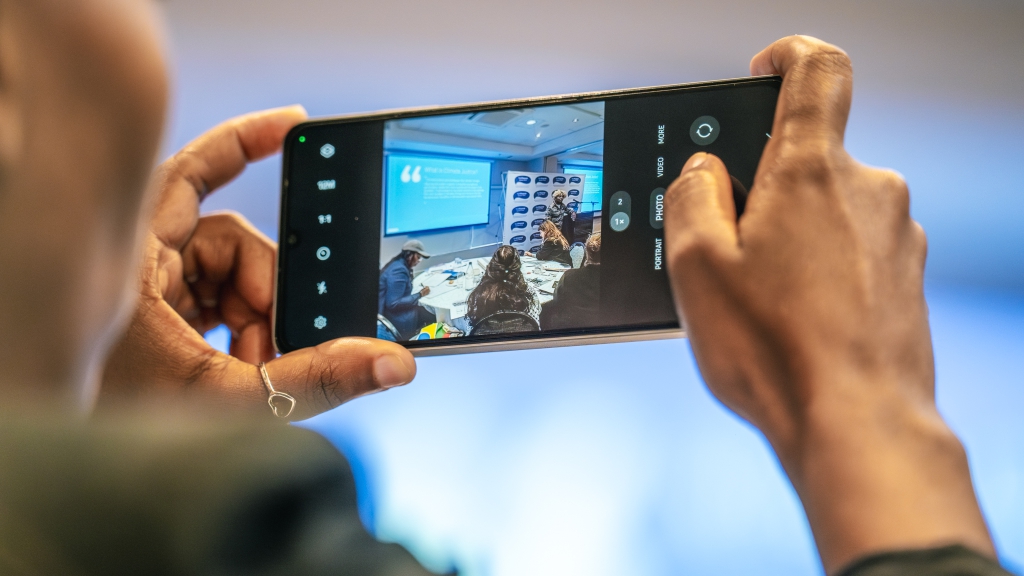
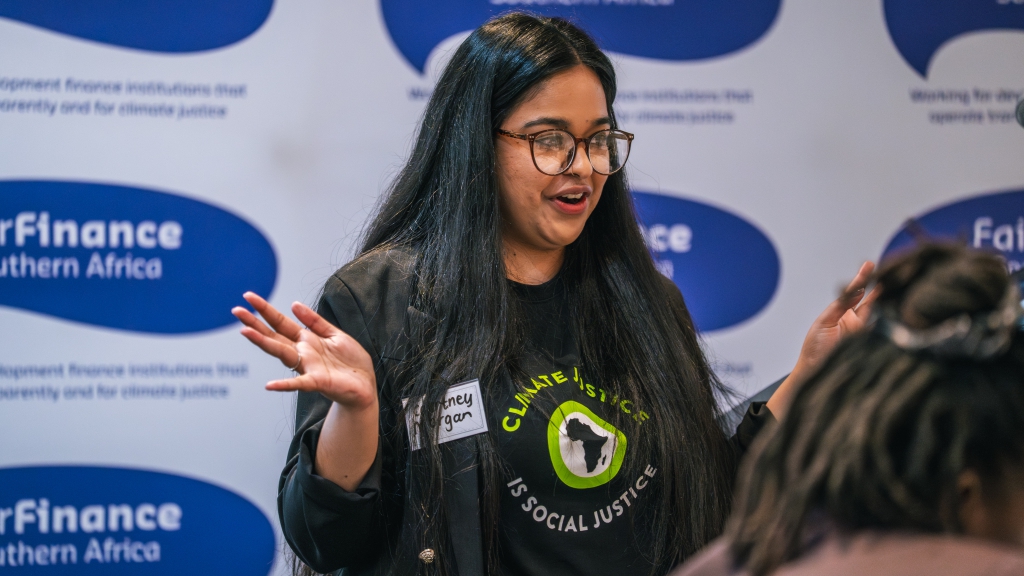
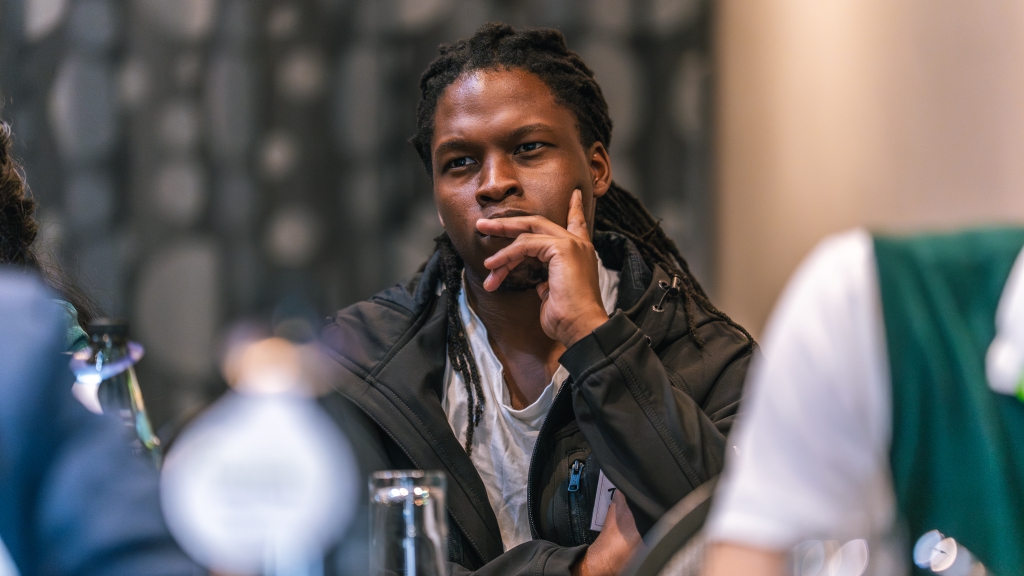
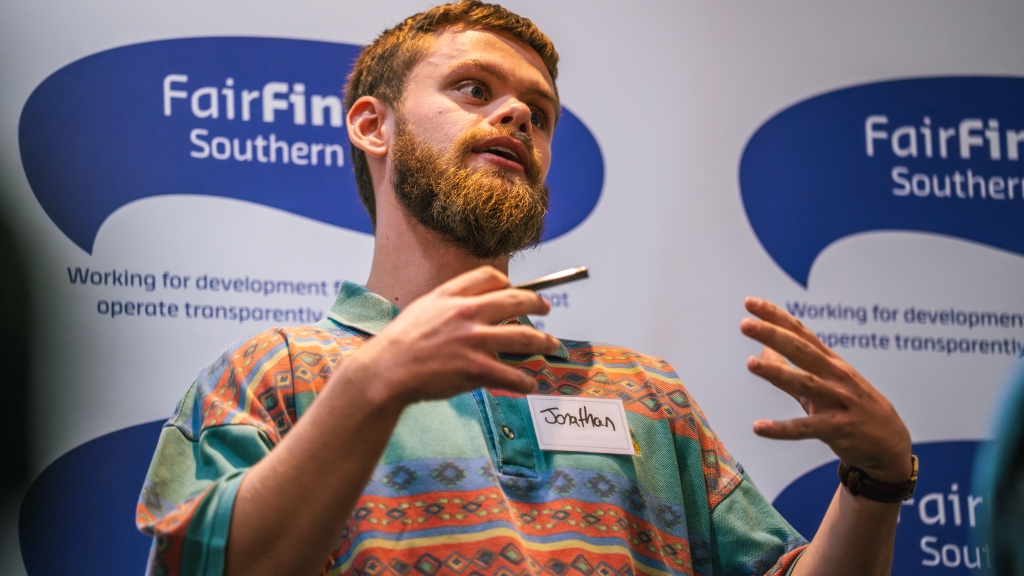
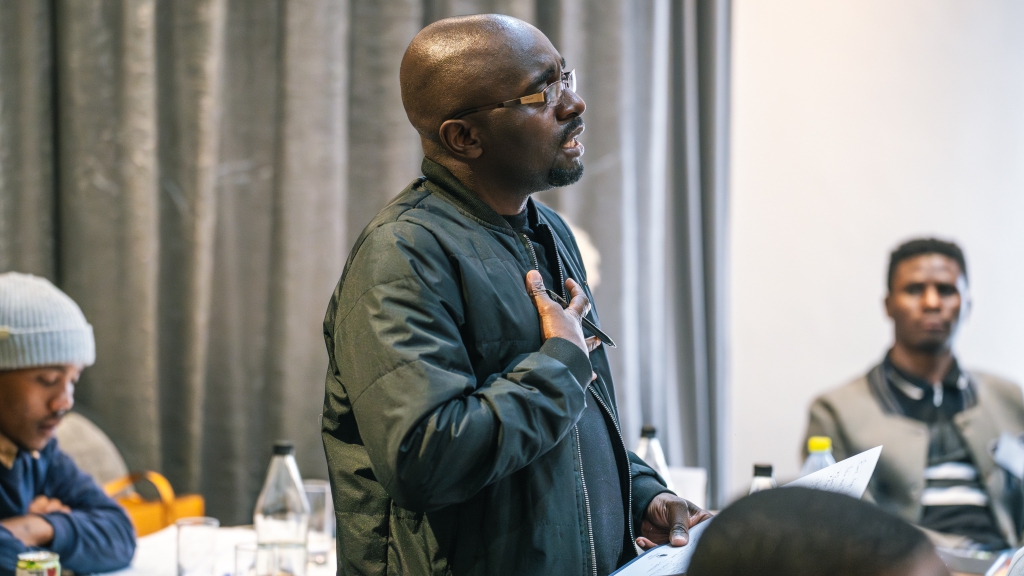
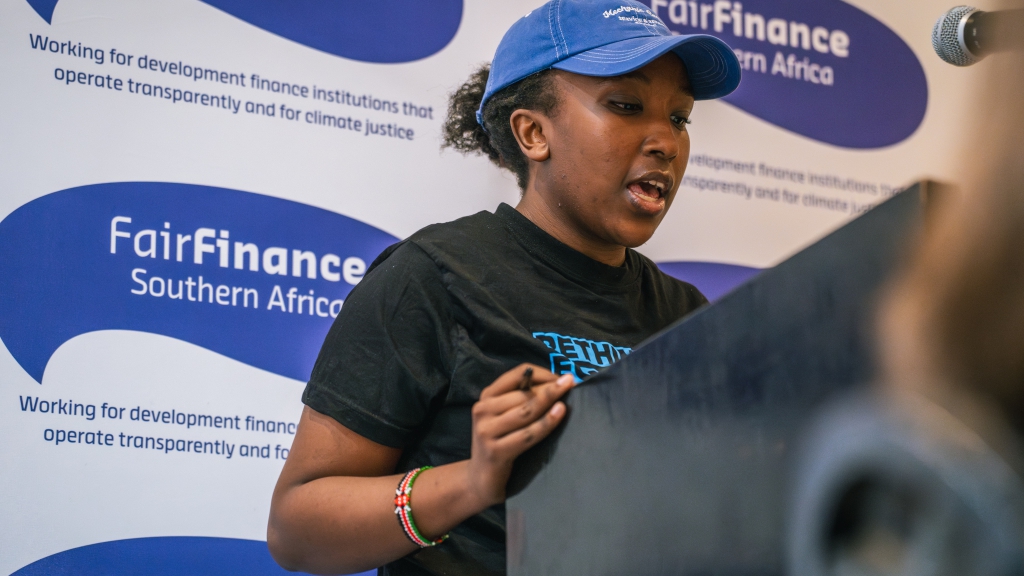
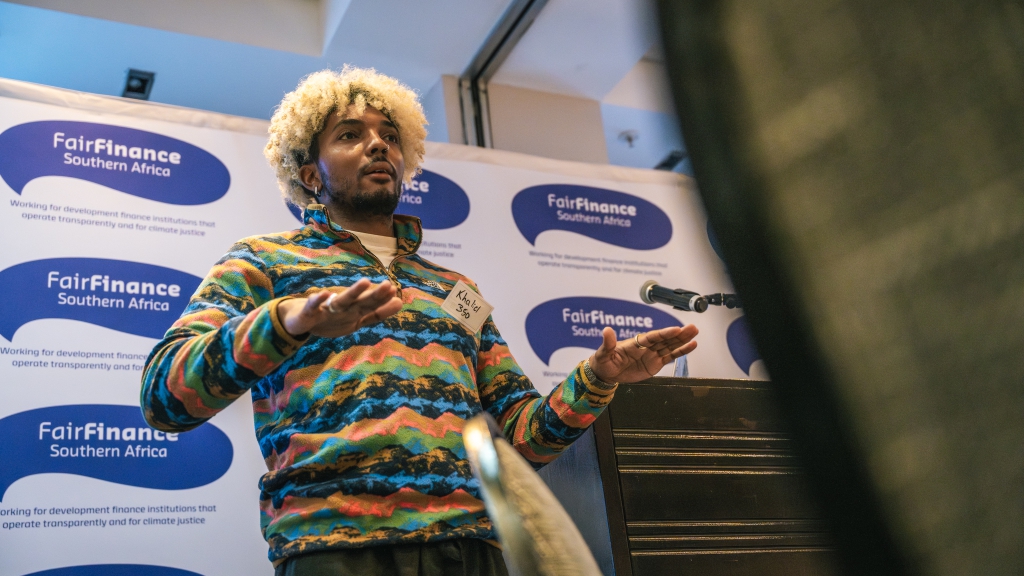
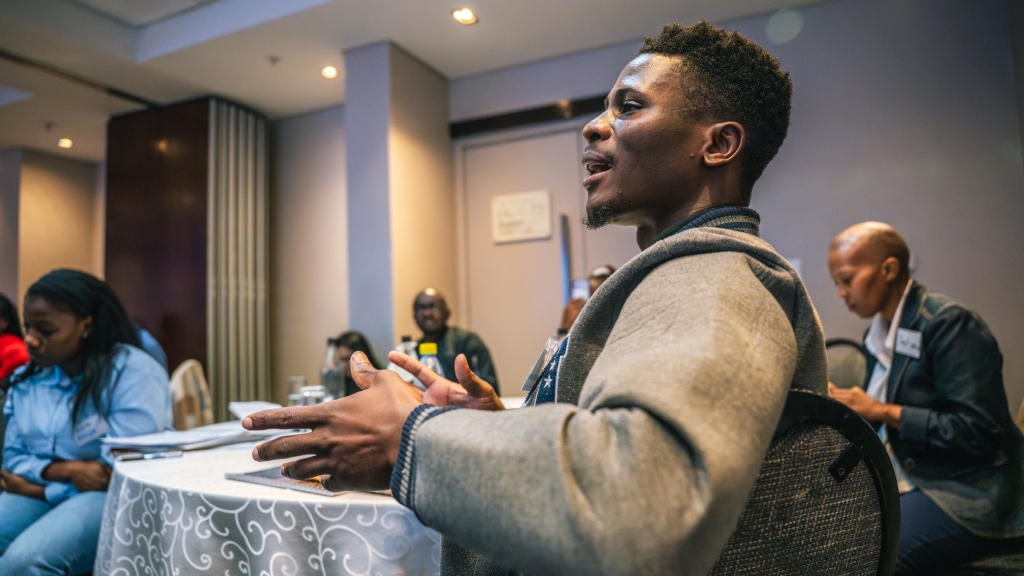
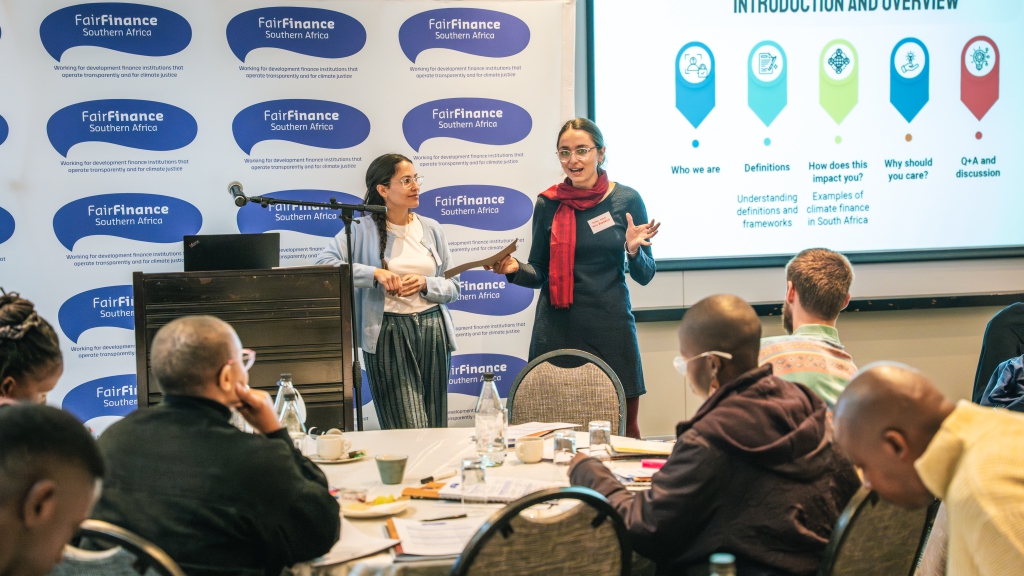
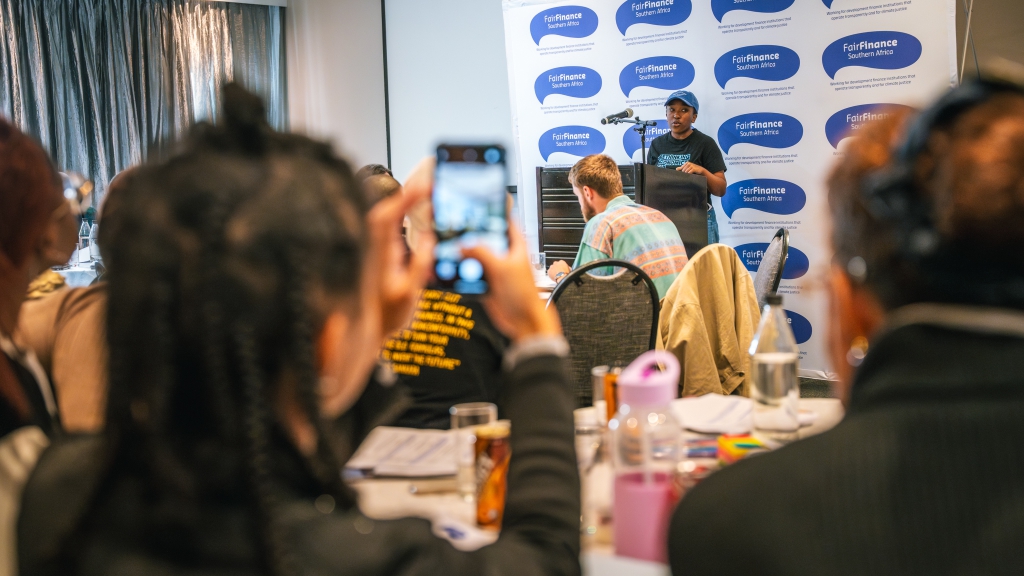
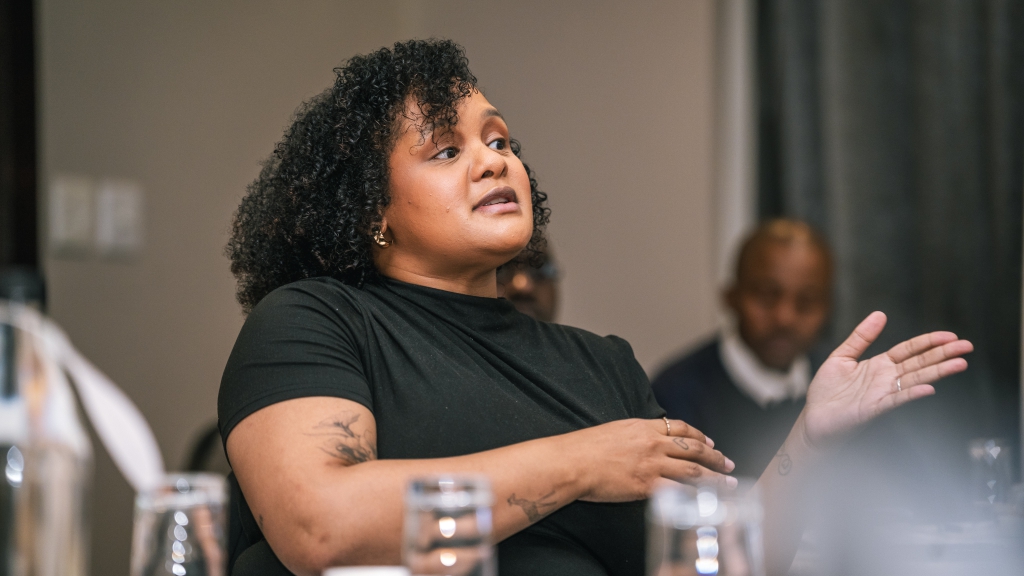
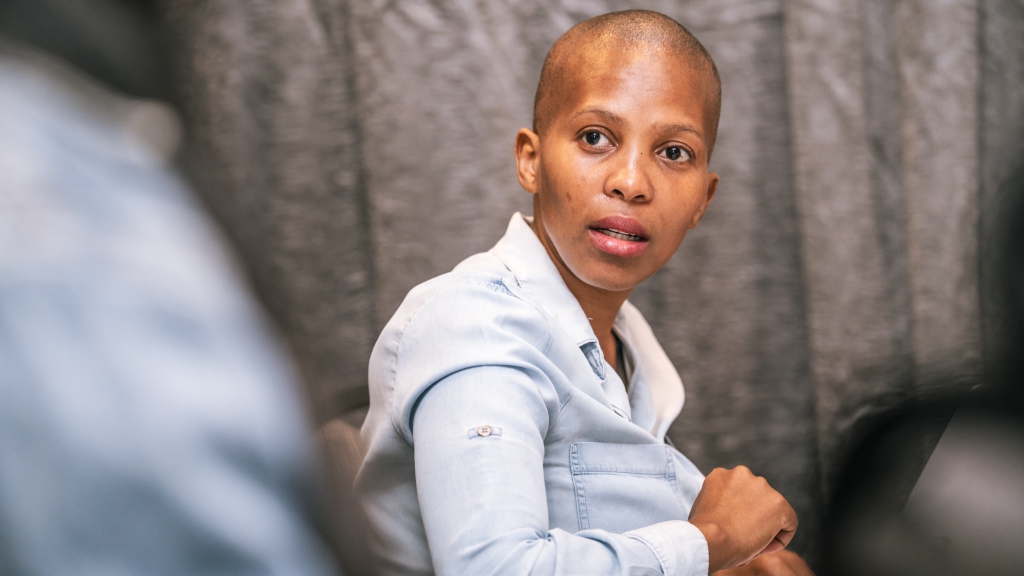
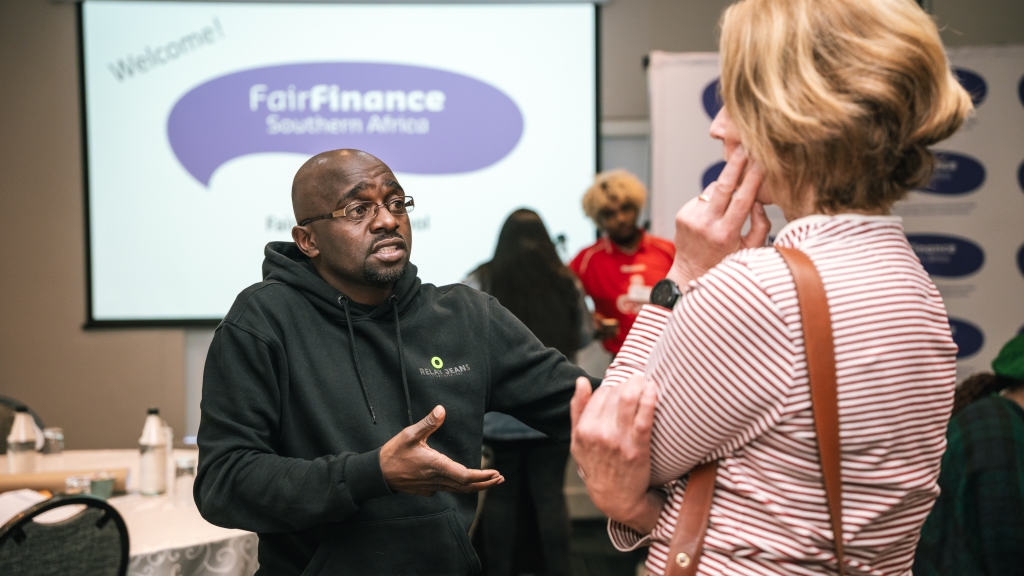
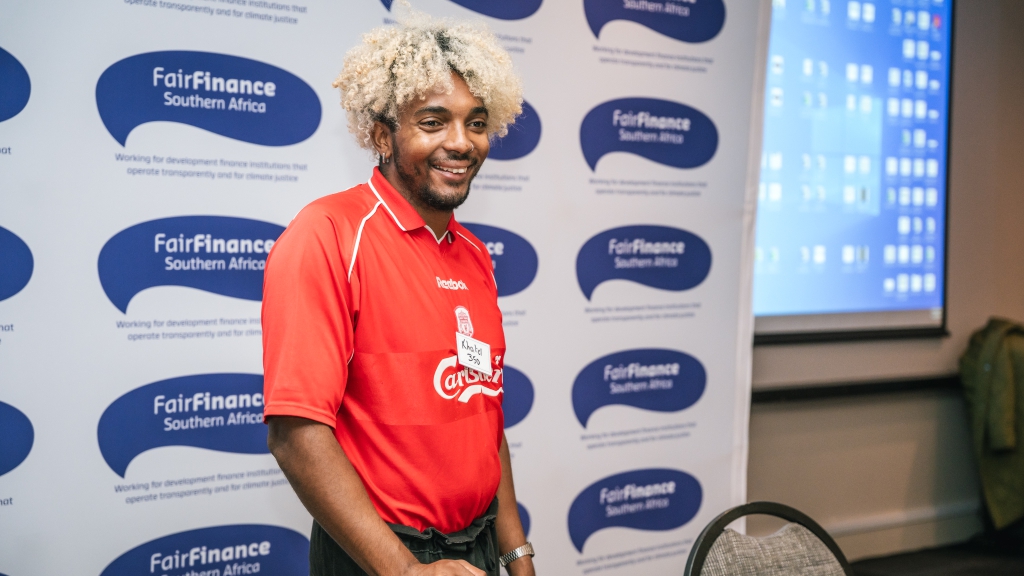
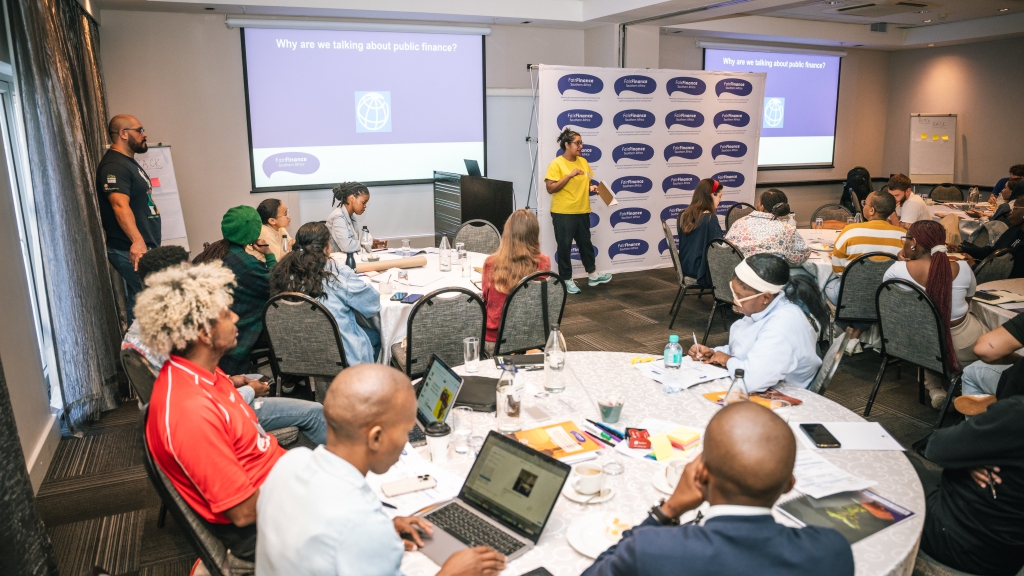
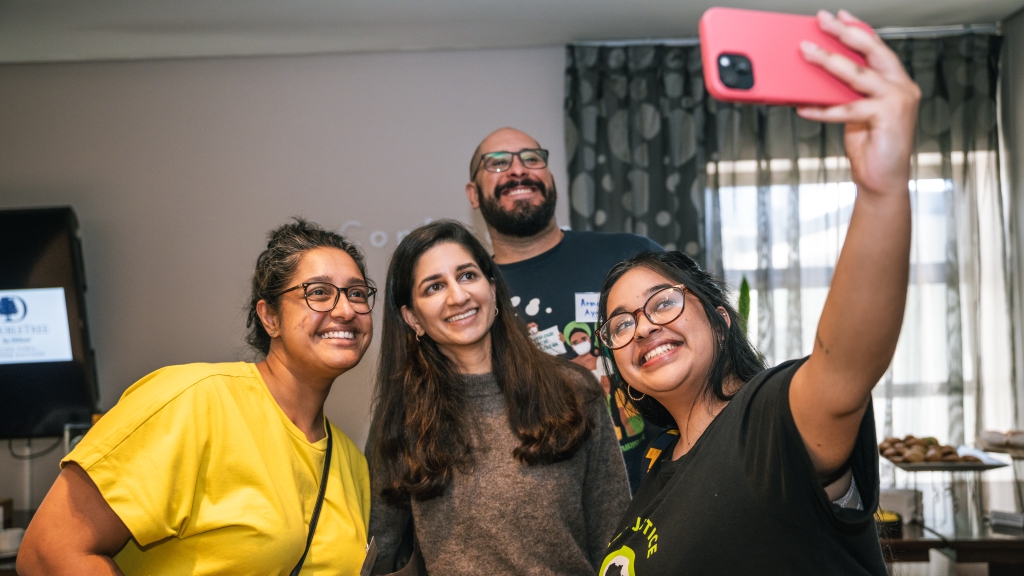
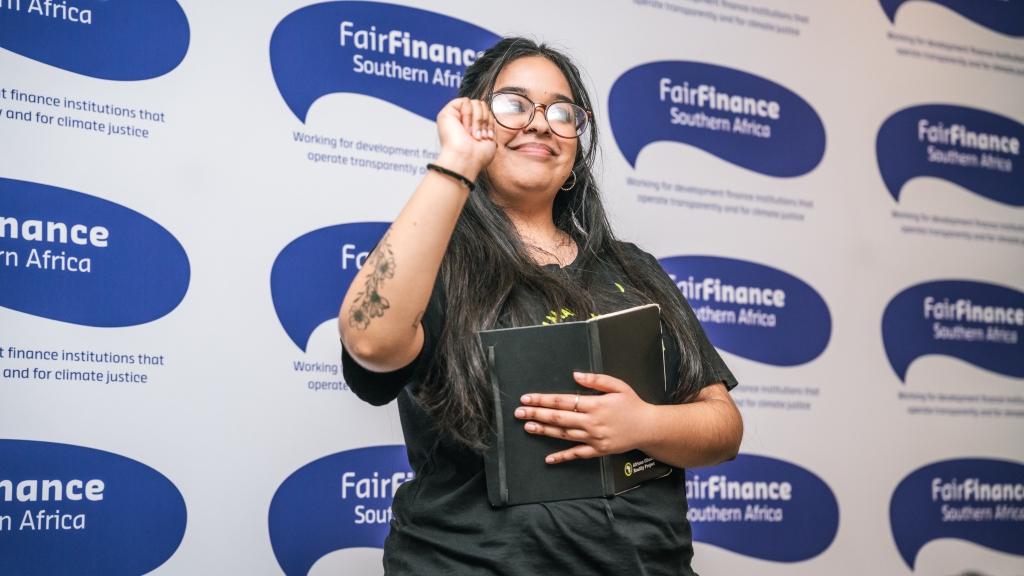
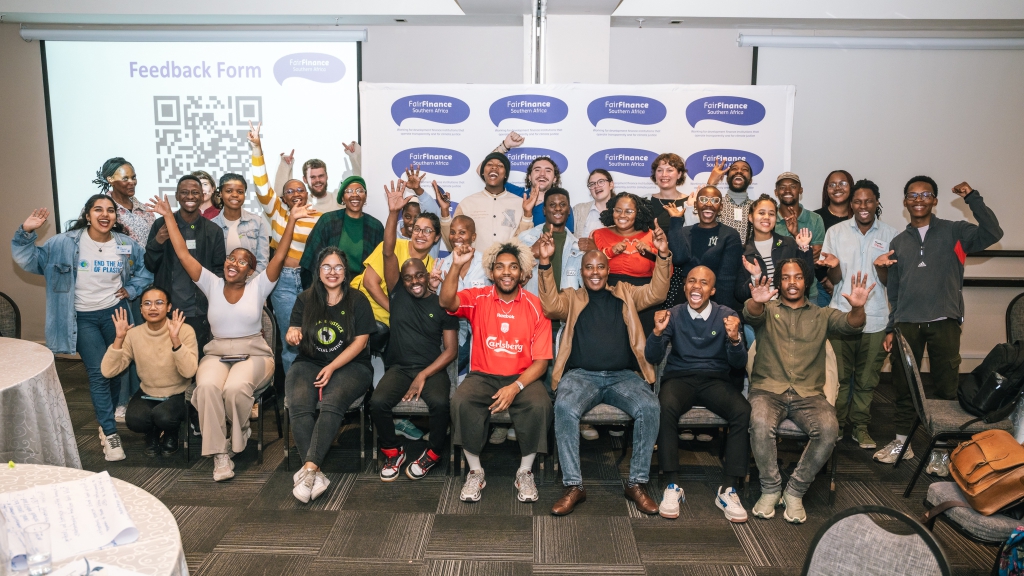
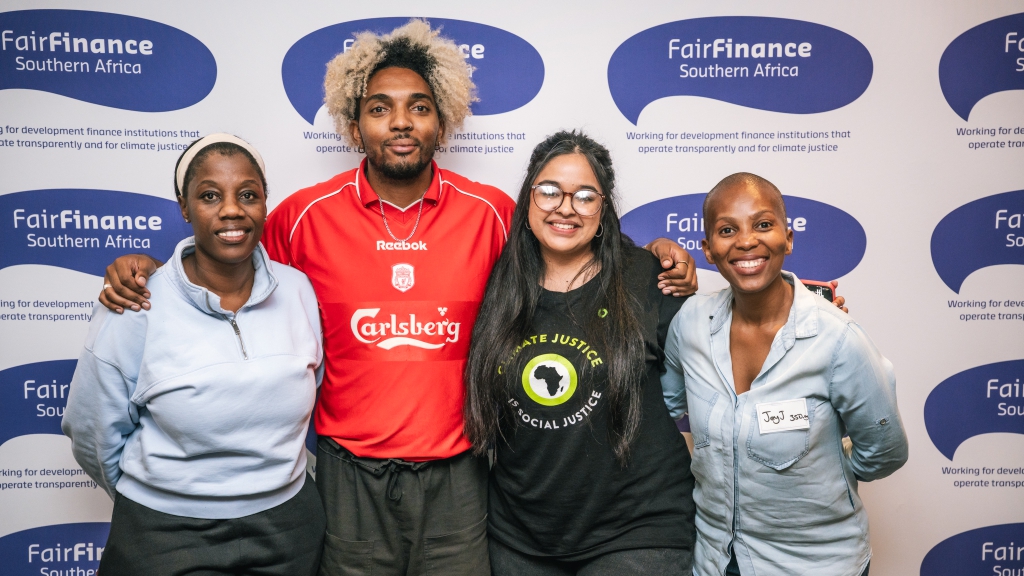
The Fair Finance Southern Africa hosted its 6th Fair Finance school in Cape Town, focusing on the youth. It hosted 45 passionate young activists and climate change enthusiasts, who brought not just their determination for change but an electric energy for progressive solutions. The room was buzzing with excitement, and it was so inspiring to see how much the conversation around climate change and finance has evolved. This wasn’t just a topic for activists anymore; it was a movement embraced by everyday people who care deeply about our planet and demand real, lasting solutions from public finance!

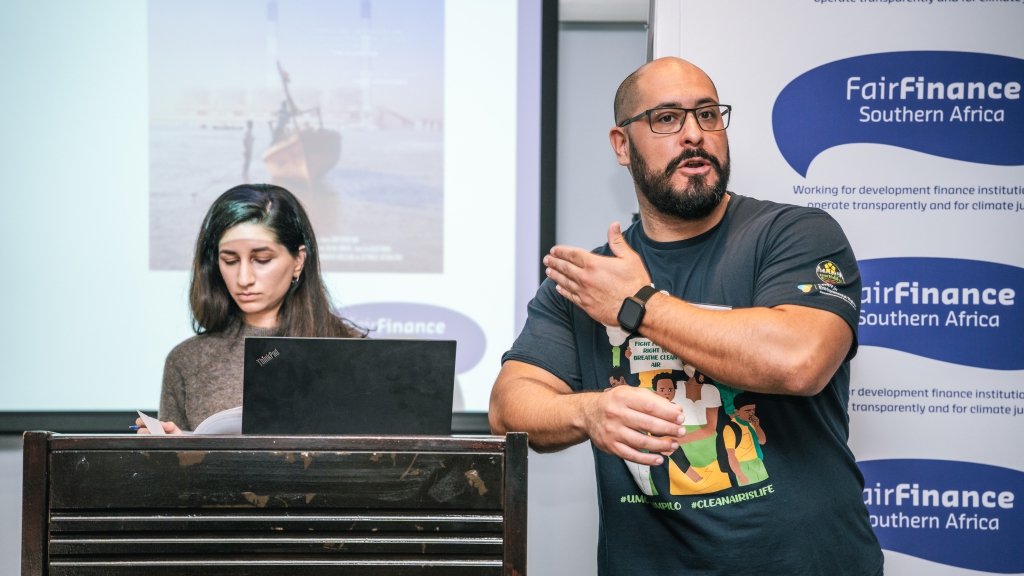
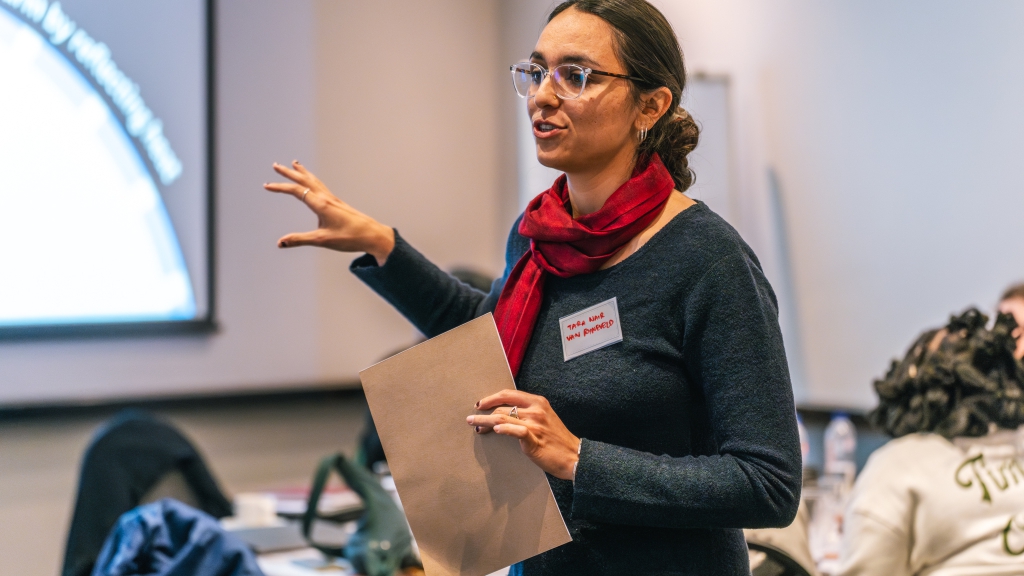
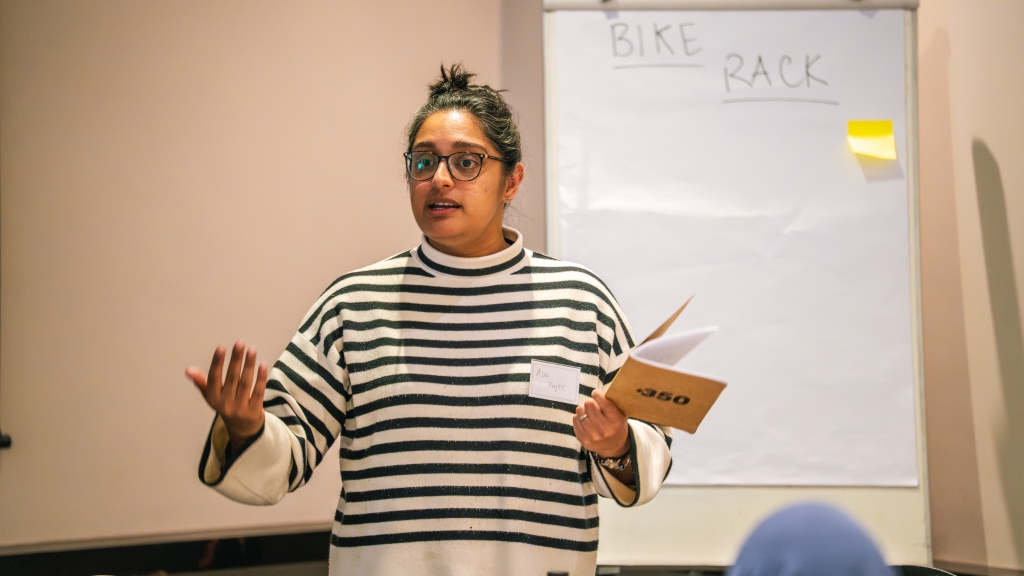
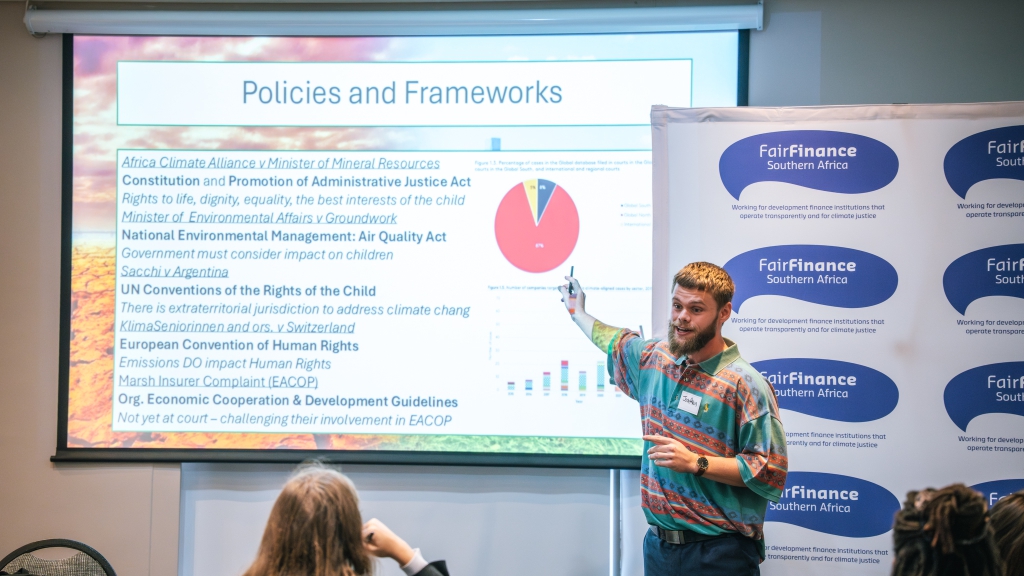
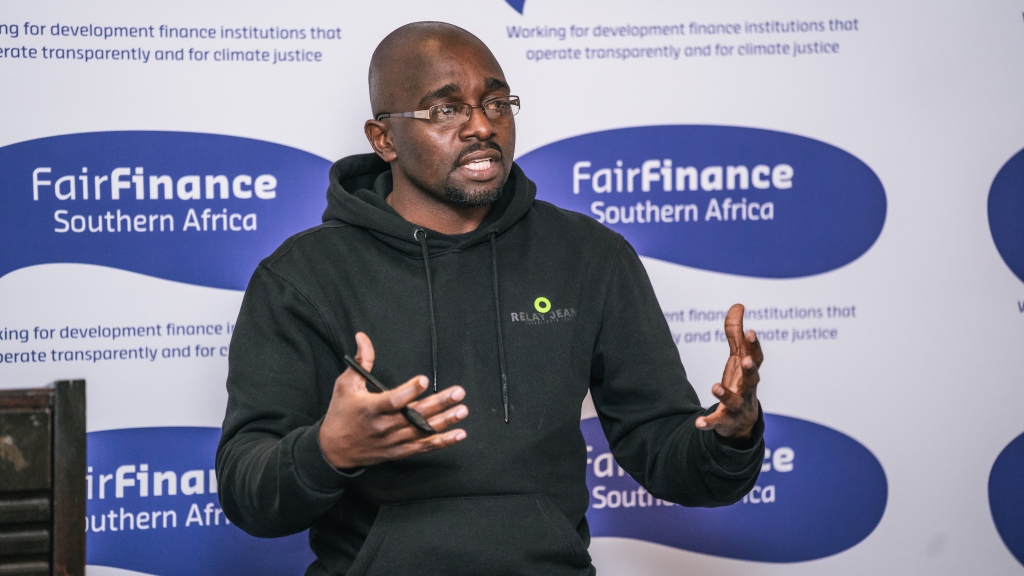
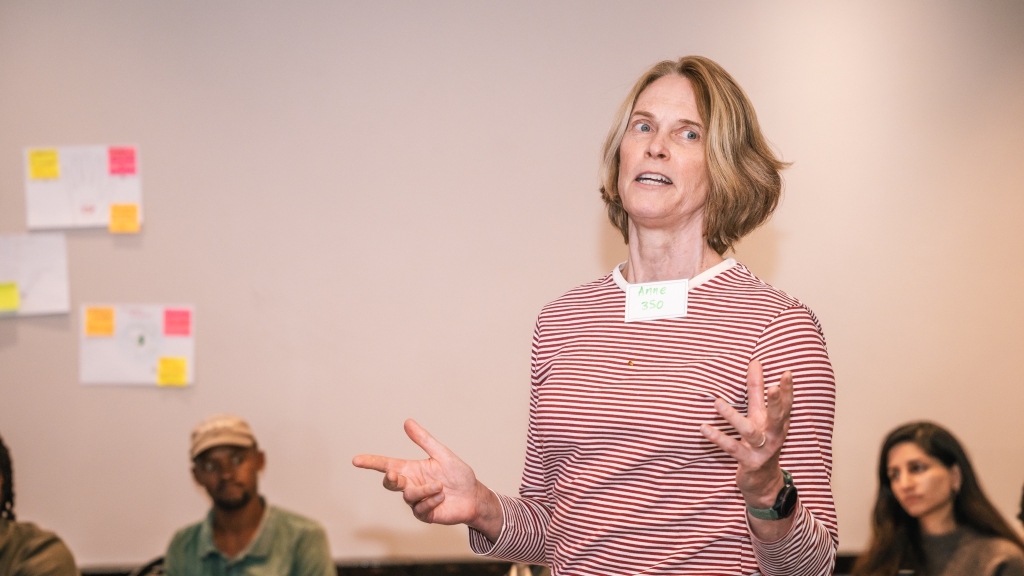
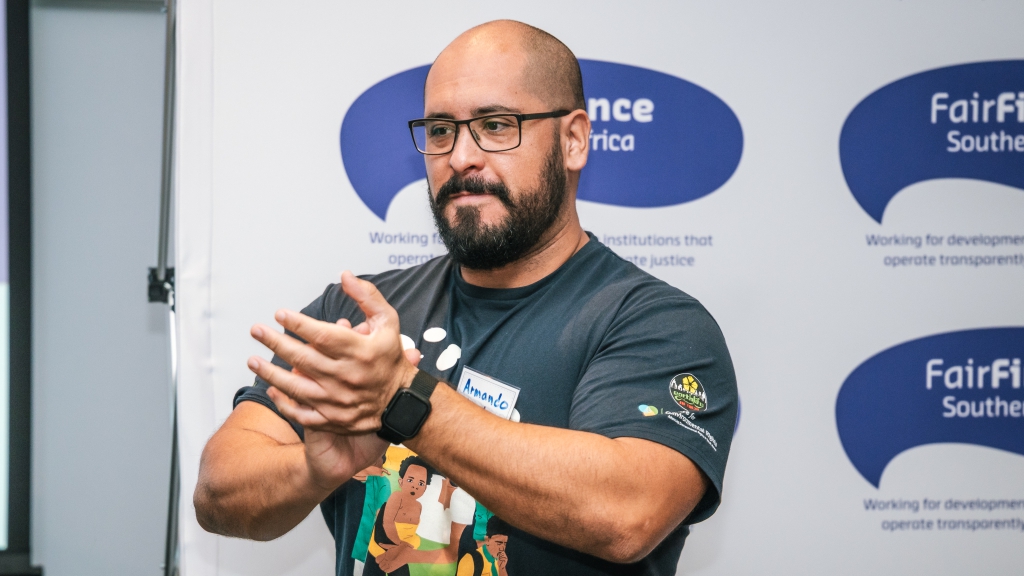
We focused on applying what we had learned on Day 1 of the two-day event and continued our exploration of International Financial Institutions and their significance. Presentations from speakers, Armando Ayala, Alia Kajee, and Environmental Lawyer Zahra Omar highlighted the importance of policies, their relevance, and functionality. They also discussed how the Policy Assessment was developed.
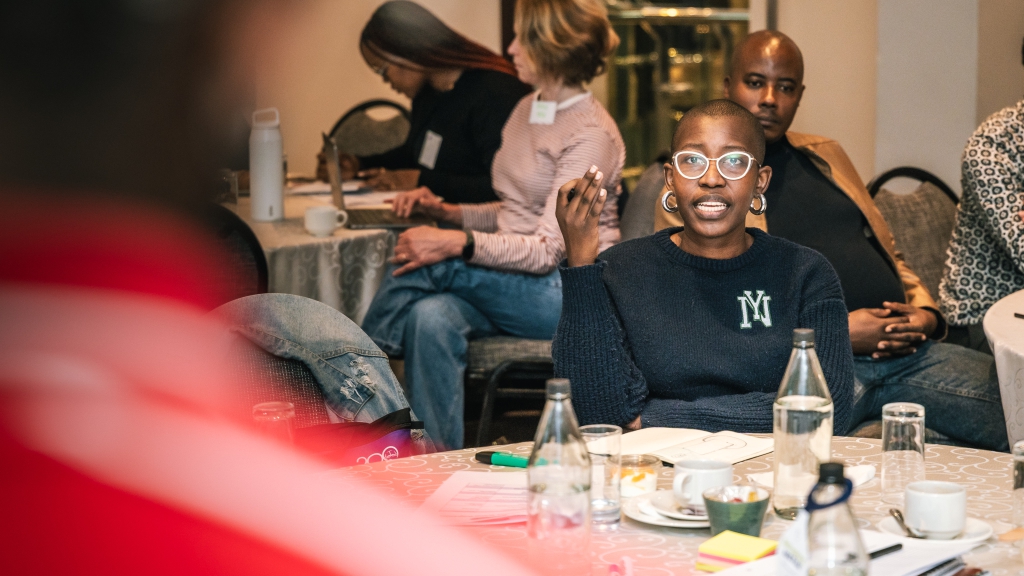
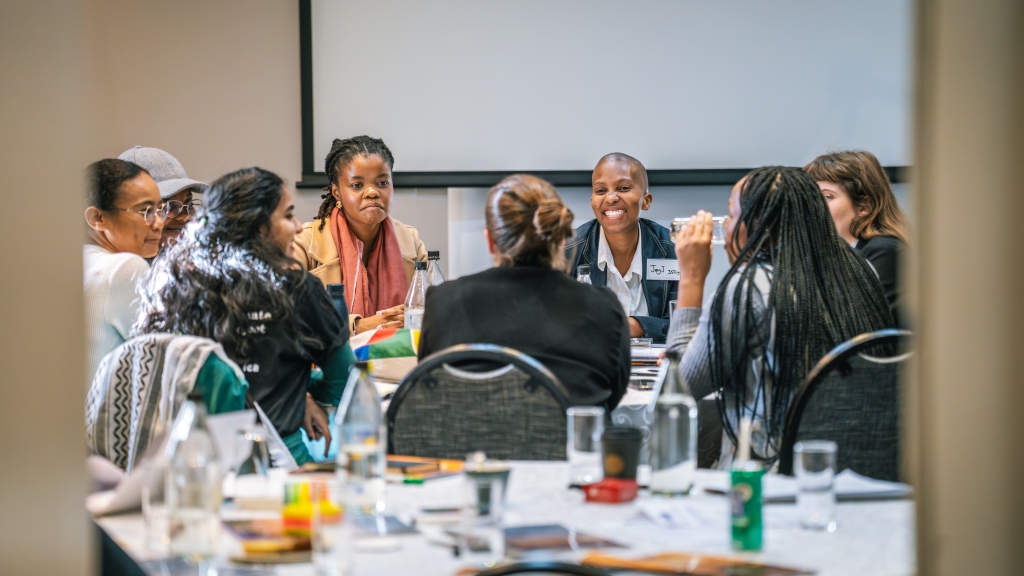
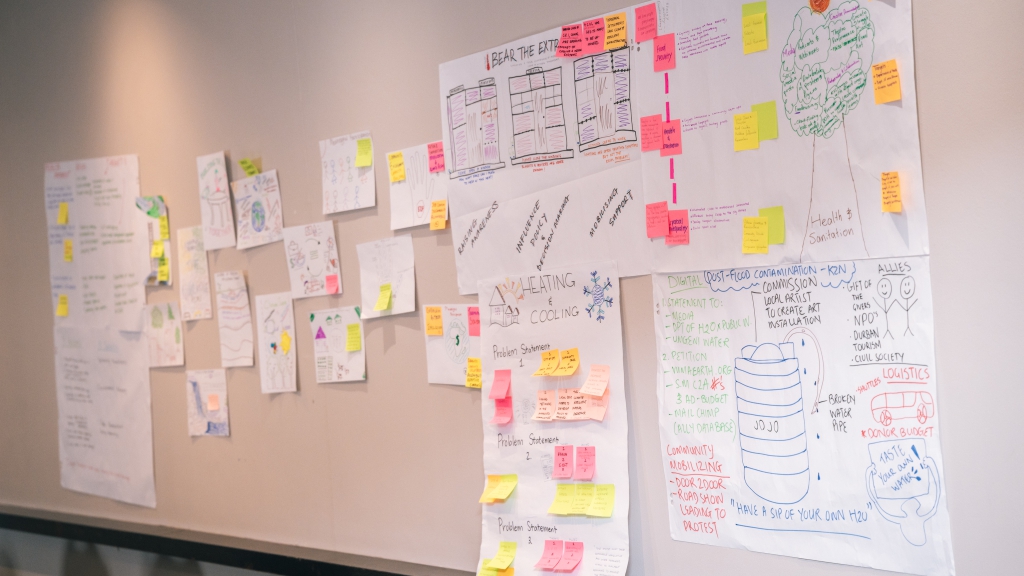
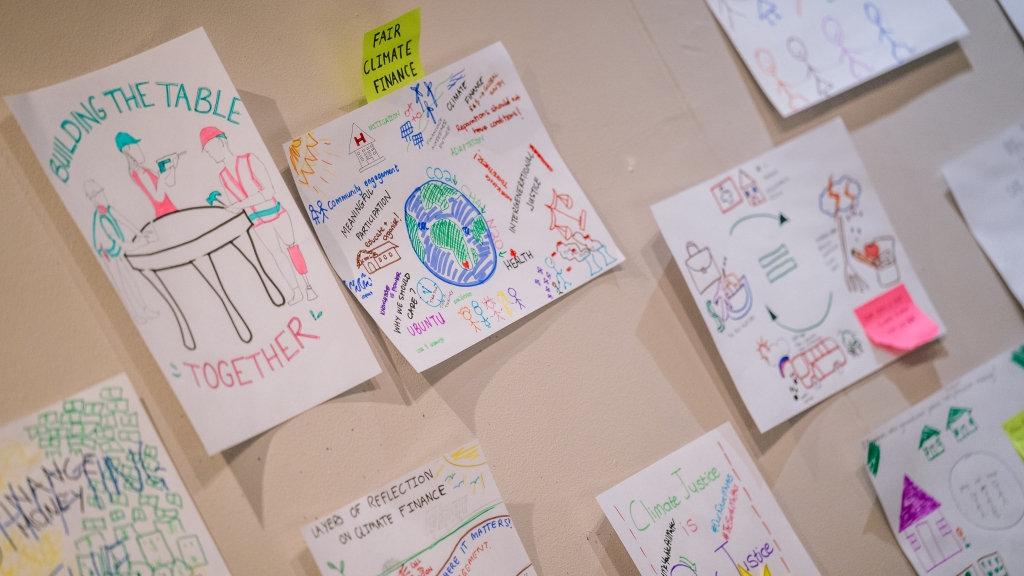
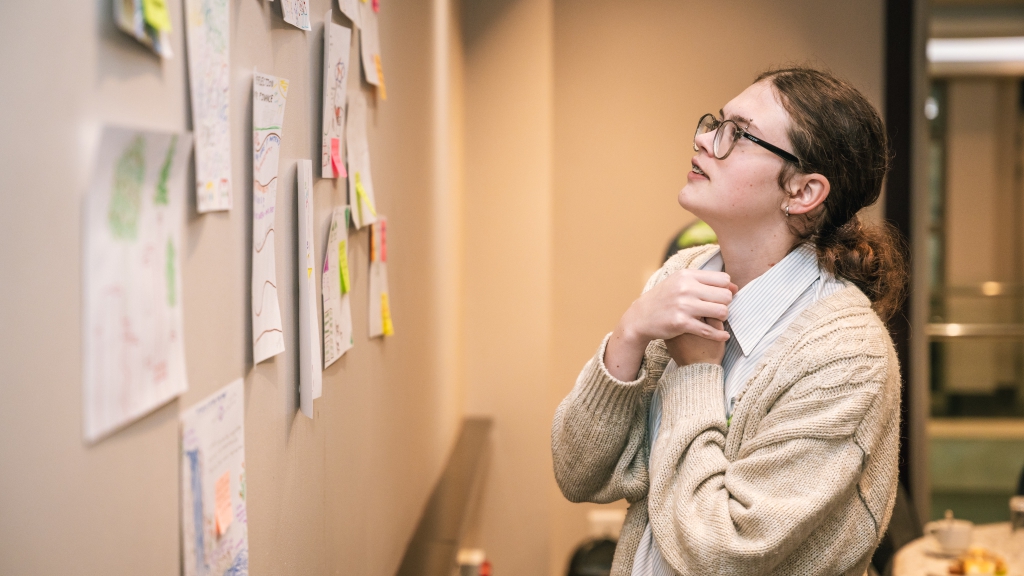
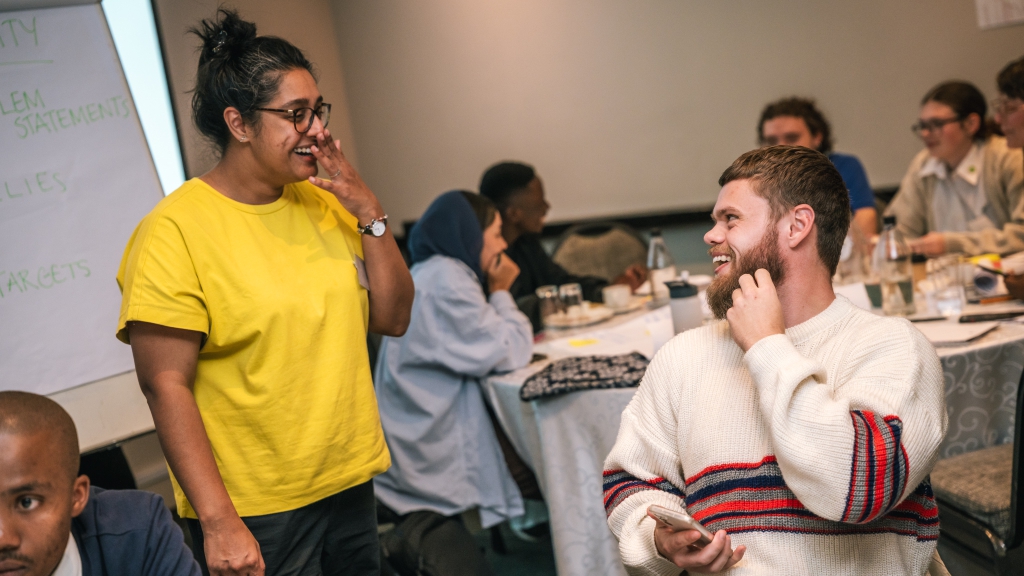
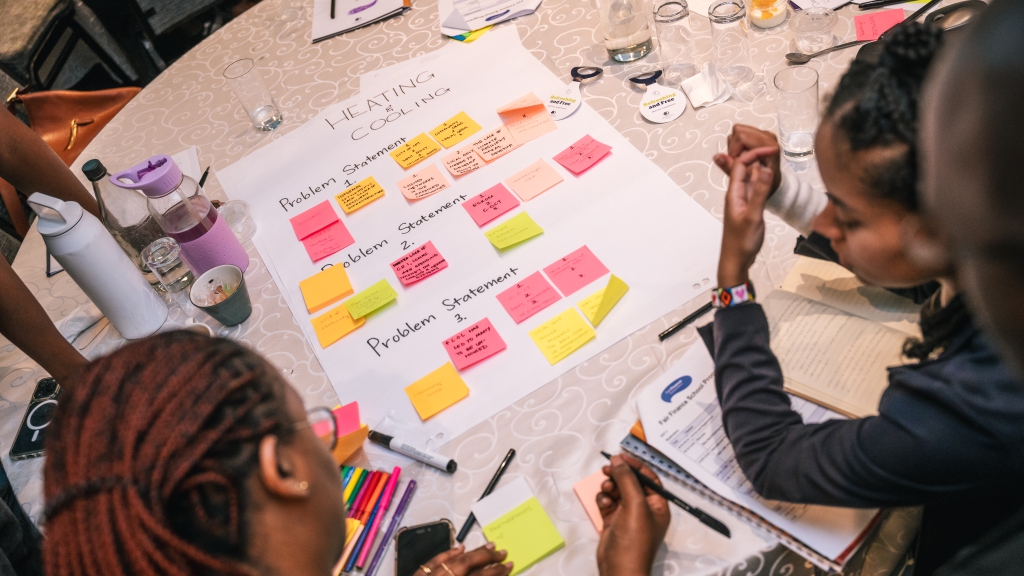
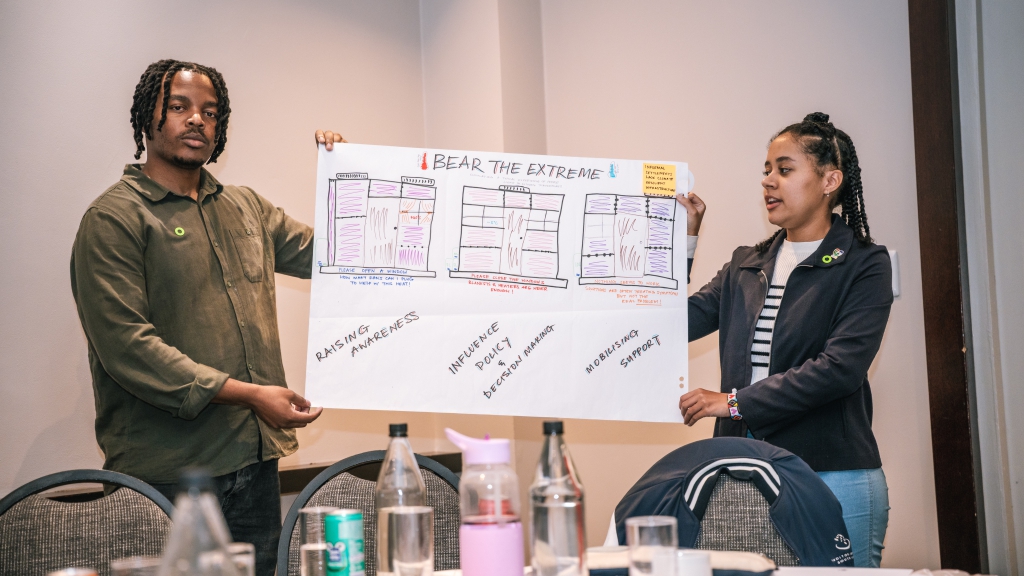
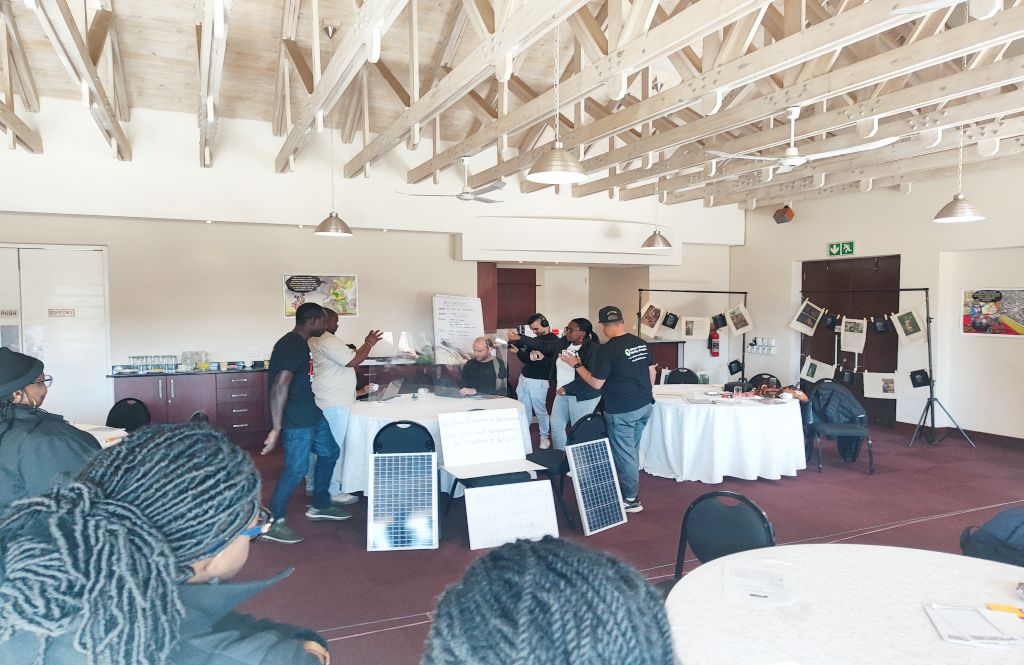
The highlight of the day was the group work, where everyone showcased their ideas and strategies for implementing practical change. Participants took the knowledge gained and translated it into formal ideas, strategised campaign work, and actionable tactics that utilised finance knowledge to solve problems. The poster designs were particularly impressive and effectively conveyed the visual understanding of everything we learned.
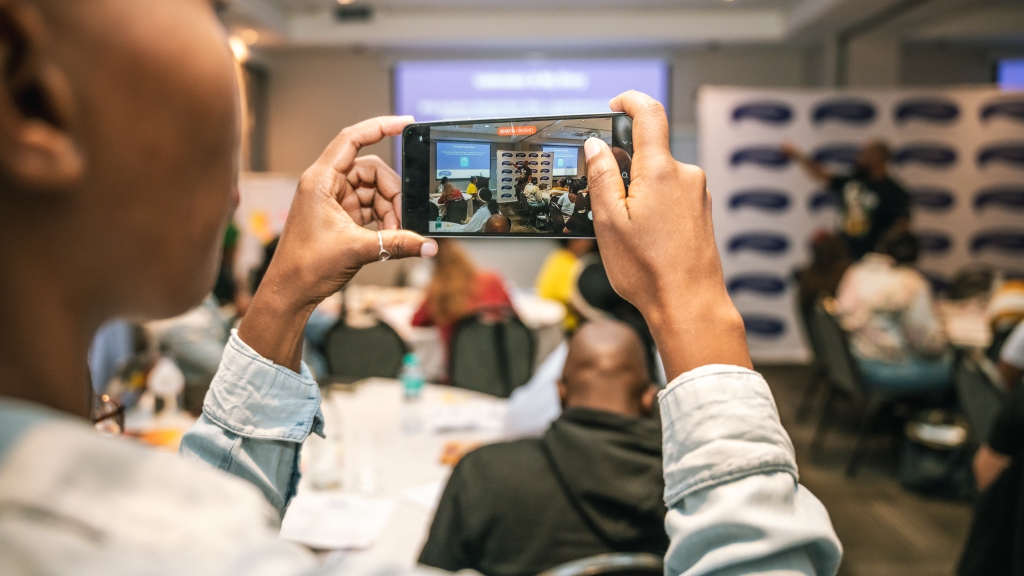
After being piloted in Johannesburg in 2023, these schools have also taken place in Ghana, Nigeria, and Senegal. It’s always adapting to the different context and audiences, responses to the current debates but also looking forward, ready for the next challenge.